

Everything You Need To Know About Scissor Lifts
Scissor Lift
What Is a Scissor Lift?
Basic Definition
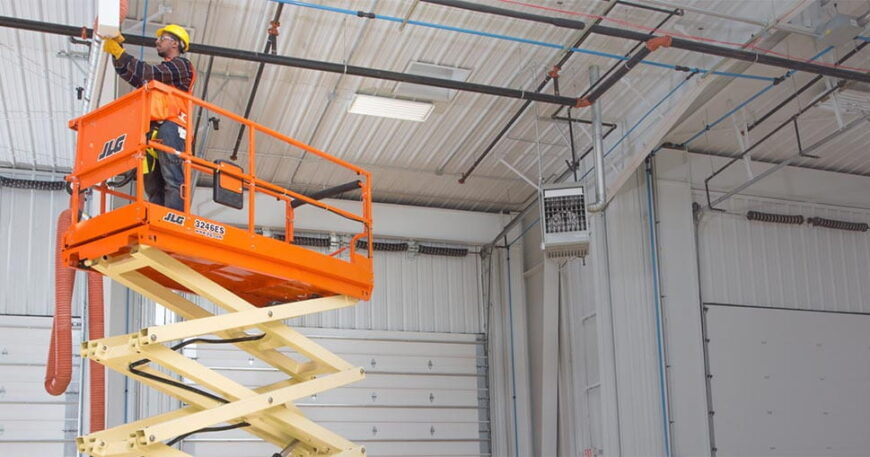
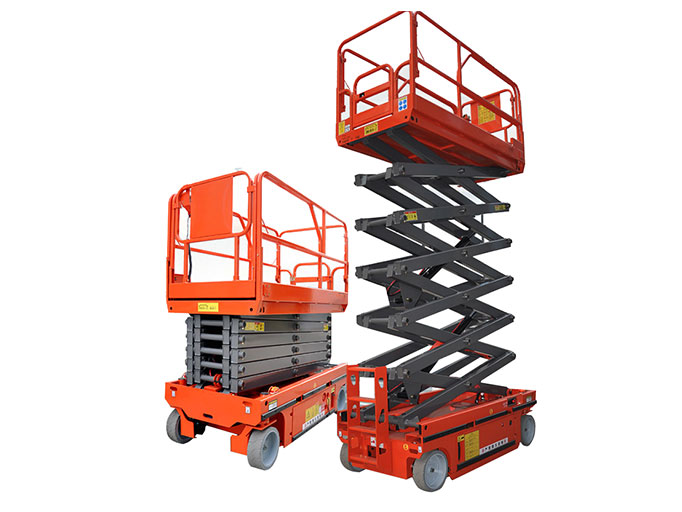
A scissor lift is a type of aerial work platform that allows vertical movement through a system of crossed supports that extend and contract—kind of like a pair of scissors (hence the name). It’s commonly used to elevate workers or materials to a specific height safely and efficiently.
How It Works
The mechanism relies on hydraulic, pneumatic, or mechanical power to push the crisscrossing supports apart, lifting the platform straight up. When it’s time to lower, the supports fold back together, bringing the platform down gently.
Types of Scissor Lifts: Choosing the Right Lift for the Job
Scissor lifts come in various designs to meet different job requirements—whether you’re navigating tight indoor spaces, lifting heavy loads, or working on uneven outdoor terrain. Each type is engineered for specific conditions, and selecting the right one can dramatically improve efficiency and safety.
Let’s explore some essential and specialized types of scissor lifts, including options not always discussed in general guides.
Hydraulic Scissor Lifts
Hydraulic scissor lifts utilize pressurized hydraulic oil inside a cylinder to raise the platform. These are among the most widely used lifts due to their simplicity and durability.
Key Features:
- Fluid-driven lifting mechanism
- Moderate lifting speed (influenced by fluid temperature)
- Can be manually or electrically powered
Best Used For:
- Construction sites
- Warehouses
- Routine maintenance
Why It Stands Out:
Hydraulic lifts offer consistent performance with minimal maintenance, making them ideal for environments where dependability matters more than speed.
Electric Scissor Lifts
Electric scissor lifts are battery-powered and emission-free, making them a go-to choice for indoor operations.
Key Features:
- Quiet operation
- Rechargeable battery system
- Emission-free and energy-efficient
Best Used For:
- Indoor maintenance
- Retail spaces
- Hospital or office environments
Why It Stands Out:
Their eco-friendly and quiet design makes them perfect for work where noise and air quality are concerns.
Compact Scissor Lifts (Zero Scissor Lifts)
Compact or zero scissor lifts are specifically engineered for tight, confined areas where larger equipment can’t fit.
Key Features:
- Slim profile
- Lightweight
- Easily navigates narrow hallways and doorways
Best Used For:
- Office buildings
- Indoor renovation
- Small retail stores
Why It Stands Out:
Despite their size, these lifts maintain impressive reach and stability, making them ideal for low-ceiling areas.
Heavy-Duty Scissor Lifts
Heavy-duty scissor lifts are built to handle more weight and reach greater heights, typically seen in large-scale industrial or construction settings.
Key Features:
- Reinforced steel construction
- Large platform sizes
- Load capacities up to several thousand pounds
Best Used For:
- Moving heavy equipment
- Multiple personnel operations
- Building or warehouse projects
Why It Stands Out:
Their exceptional load-bearing capacity and platform stability make them essential where heavy lifting is routine.
Rough Terrain Scissor Lifts
Designed with off-road mobility in mind, these lifts are equipped with rugged tires and four-wheel drive.
Key Features:
- Diesel or dual-fuel powered
- High ground clearance
- Stabilizers for uneven surfaces
Best Used For:
- Outdoor construction
- Landscaping projects
- Rural infrastructure work
Why It Stands Out:
They offer superior traction and durability, making rough terrain lifts the best option for outdoor job sites.
Pneumatic Scissor Lifts
These lifts function using compressed air instead of hydraulic fluid, offering a more eco-friendly lifting solution.
Key Features:
- Uses air pressure
- No risk of fluid leaks
- Ideal for clean environments
Best Used For:
- Green buildings
- Laboratories or food-safe areas
- Eco-conscious projects
Why It Stands Out:
Pneumatic lifts are perfect for businesses with a focus on sustainability and zero-contamination.
Diesel-Powered Scissor Lifts
With a strong diesel engine, these are powerful lifts made for demanding and high-reach outdoor jobs.
Key Features:
- High platform height
- Large fuel tank for extended use
- Loud but effective
Best Used For:
- Road construction
- Mining operations
- Tall infrastructure work
Why It Stands Out:
If you need power and height without relying on battery life, diesel scissor lifts deliver unmatched long-range performance.
Self-Propelled Scissor Lifts
Self-propelled lifts allow operators to drive the lift while elevated, boosting productivity on the job site.
Key Features:
- Drivable at full extension
- Enhanced mobility
- Available in both electric and fuel-powered models
Best Used For:
- Warehousing
- Construction
- Maintenance in large facilities
Why It Stands Out:
They minimize downtime by reducing the need to lower the lift before moving—a major time-saver.
Towable Scissor Lifts
Built for portability, these lifts can be towed behind a vehicle and are quick to deploy.
Key Features:
- Lightweight frame
- Hitch-compatible
- Quick setup
Best Used For:
- Event setups
- Mobile maintenance teams
- Freelance contractors
Why It Stands Out:
Perfect for jobs across multiple sites—towable scissor lifts provide freedom and flexibility without needing a truck or trailer.
Dual-Fuel Scissor Lifts
These versatile lifts run on both electric power and fuel, giving you adaptability for different work environments.
Key Features:
- Hybrid power system
- Can switch modes depending on location
- Long operational range
Best Used For:
- Mixed indoor/outdoor work
- Long projects with variable power needs
Why It Stands Out:
They offer the best of both worlds—silent indoor function and rugged outdoor capability.
Key Components of a Scissor Lift
Platform
This is where workers stand or where materials are placed. It usually includes guardrails and safety features.
Scissor Arms
The metal supports under the platform form an “X” pattern and are responsible for lifting and lowering the platform.
Power Source
Depending on the type, the power source can be hydraulic fluid, electricity, diesel fuel, or compressed air.
Controls
Modern lifts come with user-friendly control panels—either onboard the platform or at the base of the unit—for safe and precise operation.
Common Uses of Scissor Lifts
Construction
Perfect for accessing high ceilings or upper floors, scissor lifts are a staple on construction sites.
Warehousing
Used for stacking goods or accessing high shelves, especially when forklifts can’t reach.
Maintenance and Repairs
From changing lights in a warehouse to fixing signage on a tall building—scissor lifts make it easy and safe.
Event Setup
Think stages, lighting rigs, and large banners. Lifts streamline setup and teardown.
Benefits of Using Scissor Lifts
Increased Safety
Ladders can wobble; scissor lifts offer stable platforms and guardrails, significantly reducing fall risk.
Better Productivity
They’re quick to deploy and allow workers to carry tools and materials up with them, minimizing downtime.
Versatile Applications
Indoor, outdoor, light-duty, or heavy-duty—there’s a scissor lift for nearly every scenario.
Limitations and Drawbacks
Height Limitations
Unlike boom lifts, scissor lifts can only go straight up and are limited in reach.
Mobility Issues
They’re not as maneuverable as other aerial platforms, especially in tight or complex spaces.
Surface Requirements
Most models require flat, stable surfaces to operate safely.
Scissor Lift Safety Tips
Pre-Operation Checks
Always inspect the lift before use—check for leaks, loose parts, and battery levels.
Proper Training
Operators must know how to use the equipment safely. Untrained use can be dangerous.
Safe Operation Practices
Never overload the platform or exceed height restrictions. Always wear a safety harness if required.
Renting vs Buying a Scissor Lift
When to Rent
If you need a lift occasionally, renting saves on storage and maintenance costs.
When to Buy
Frequent users should consider purchasing. It’s more cost-effective in the long run and ensures availability.
Scissor Lift Maintenance
Daily Inspections
Check for fluid leaks, tire condition, and platform integrity each day before use.
Scheduled Servicing
Stick to a regular maintenance plan as per the manufacturer’s instructions to prolong the lift’s life.
Troubleshooting Common Issues
Familiarize yourself with common problems like slow lifting or power failures, and know when to call in a pro.
Legal Regulations and Certification
OSHA Guidelines
The Occupational Safety and Health Administration sets clear rules on how and where scissor lifts can be used.
Operator Certification Requirements
In many places, you need a special license or certification to legally operate a scissor lift.
How to Choose the Right Scissor Lift
Indoor vs Outdoor Use
Electric lifts are better indoors due to low noise and no emissions. Diesel lifts shine outdoors.
Load Capacity
Calculate the combined weight of the operator, tools, and materials to find the right lift.
Lift Height
Consider how high you need to reach and choose a model that comfortably meets that height.
Future Trends in Scissor Lift Technology
Eco-Friendly Models
Electric and pneumatic lifts are leading the charge in sustainability.
Smart Features
New lifts are coming equipped with IoT sensors, diagnostic tools, and remote controls.
Automation and AI Integration
Self-driving scissor lifts? Yep, that’s on the horizon. Automation is boosting safety and efficiency.
Conclusion
Scissor lifts are the unsung heroes of vertical mobility—safe, stable, and essential for dozens of industries. Whether you’re stacking boxes in a warehouse, working on a construction site, or setting up for a concert, knowing the ins and outs of scissor lifts can make all the difference. Choose the right type, stay safe, and enjoy the heights—literally!
FAQs
What is the maximum height a scissor lift can reach?
Some models can go up to 60 feet, but most common lifts range from 19 to 32 feet.
Can scissor lifts be used on uneven surfaces?
Only certain models are designed for rough terrain. Always check manufacturer specs.
Do I need a license to operate a scissor lift?
Yes, most countries require certification or training to operate safely and legally.
How long does a scissor lift last?
With proper maintenance, a lift can last 10–15 years or more.
Are there eco-friendly scissor lift options?
Absolutely! Electric and pneumatic lifts are green alternatives with zero emissions.